
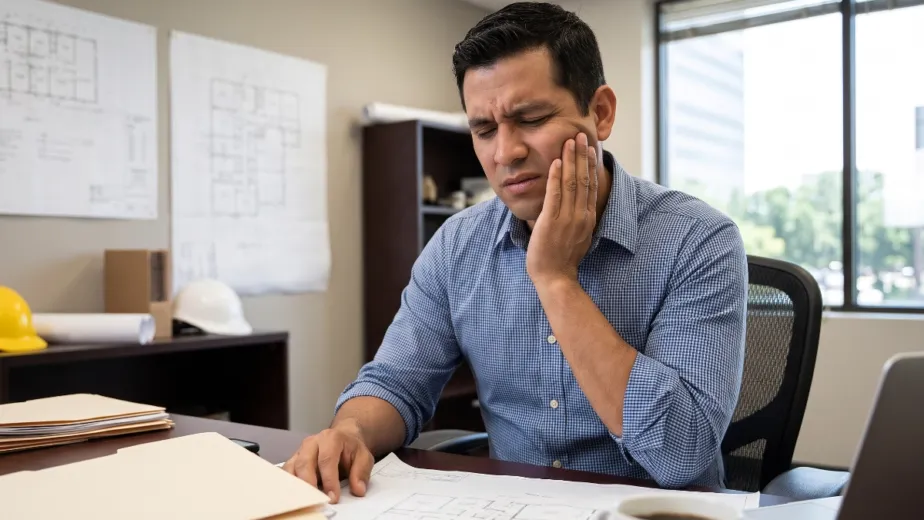
Tooth pain rarely arrives at a convenient time. It can start during a workday, interrupt a family dinner, or keep you awake when everything else is quiet. When the pain becomes severe, the question is no longer whether you should see a dentist eventually. It is how quickly you need professional care.
Some dental emergencies require urgent treatment to control infection, relieve pain, and improve the chances of saving a natural tooth. Others may be uncomfortable but can be evaluated during a scheduled dental appointment.
Understanding the warning signs can help you make a safer decision.
What Is an Emergency Root Canal?
An emergency root canal is endodontic treatment provided urgently when a tooth has a condition requiring prompt attention, such as severe pulpal inflammation or infection.
The purpose is to address the underlying dental problem while preserving the natural tooth whenever possible.
An urgent visit does not always mean the entire root canal procedure will be completed that day. Depending on the diagnosis, clinical findings, and available treatment time, an endodontist may provide definitive treatment or an appropriate initial procedure followed by further care.
The first step is establishing what is actually causing the pain.
Signs You May Need Emergency Endodontic Care
Certain symptoms should prompt an urgent dental assessment:
- Severe or persistent tooth pain: Particularly when it prevents sleeping, eating, or functioning normally.
- Swelling near a tooth: Localized swelling may indicate an infection that needs professional treatment.
- Significant pain when biting: This can occur with inflammation around the root, cracks, or other dental problems.
- A broken or injured tooth: Trauma can expose or damage internal tissues, even when the full extent of the injury is not immediately apparent.
- Pain or swelling around a previously treated tooth: A tooth that has already undergone a root canal can sometimes develop a new infection.
- A gum bump or drainage: These symptoms can indicate an infection that should be evaluated even when pain is mild.
None of these signs is sufficient on its own to determine the treatment needed. A clinical examination is essential.
When Is a Dental Emergency Also a Medical Emergency?
Most toothaches can be evaluated in a dental setting. However, a spreading infection or serious injury can become a medical emergency.
Seek immediate emergency medical care if you experience difficulty breathing or swallowing, rapidly spreading facial or neck swelling, or other signs of serious illness.
Do not wait for a dental appointment when these warning signs are present.
A dental office is not a substitute for emergency hospital care in situations involving possible airway compromise or severe systemic infection.
What Should You Do While Waiting to Be Seen?
If you are experiencing tooth pain and arranging professional care, a few practical measures may help reduce further irritation.
Avoid chewing on the affected side, especially if biting increases discomfort. If temperature sensitivity is severe, avoid foods and beverages that trigger the pain.
Over-the-counter pain medication may provide temporary relief when it is safe for you to take it. Follow the product instructions and consult a healthcare professional or pharmacist if you have medical conditions, take other medications, or are unsure which option is appropriate.
Most importantly, remember that reducing pain does not necessarily resolve an infection.
Can a Root Canal Save an Infected Tooth?
In many cases, yes.
When infection develops inside the root canal system, endodontic treatment can remove the affected tissue and disinfect the internal space.
The endodontist then seals the canals to reduce the risk of reinfection. Following treatment, the general dentist typically provides the permanent restoration needed to protect the tooth.
The outcome depends on several factors, including the condition of the root, the amount of remaining tooth structure, the presence of fractures, and the extent of infection.
Some teeth cannot be predictably restored, but extraction should not automatically be considered the only option before appropriate evaluation.
What Happens During an Emergency Endodontic Appointment?
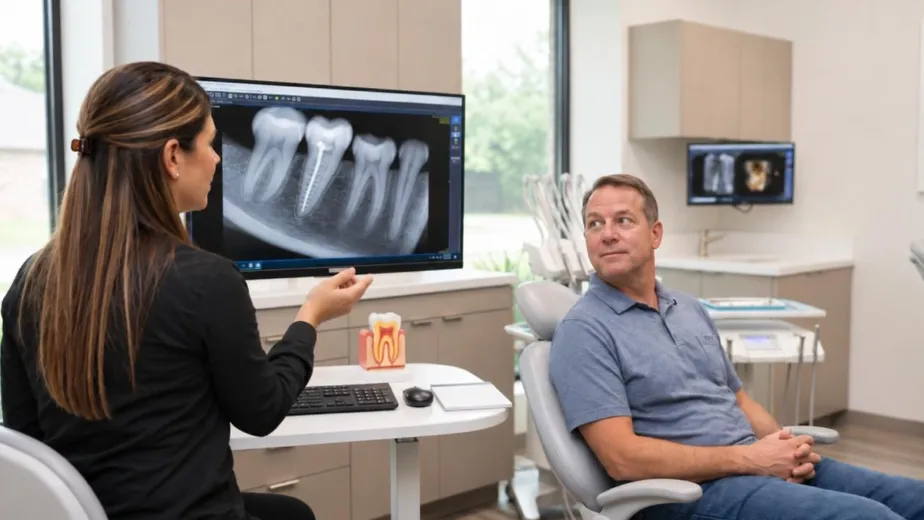
At an urgent endodontic visit, the clinical team first needs to understand the symptoms, their duration, and the patient’s dental and medical history.
An endodontist may recommend root canal treatment, retreatment of a previously treated tooth, management of a traumatic injury, or another appropriate option.
Modern local anesthesia and careful treatment planning are intended to make care as comfortable as possible, although individual experiences vary.
If your tooth requires further restorative treatment, communication with your general dentist helps ensure continuity of care after the emergency has been addressed.
Same-Day Emergency Endodontic Care in Tomball, TX – On FM2978: Where Tomball, Magnolia, Spring and The Woodlands Meet
Springcreek Endodontic Office provides specialized care for patients dealing with dental pain, infection, injured teeth, and other endodontic concerns.
Led by Dr. Melissa Marchesan, DDS, MS, PhD, the practice uses advanced diagnostic technology, including dental operating microscopy and CBCT imaging, to assess routine and challenging endodontic cases.
Located at 25213 FM 2978, Bldg. 2, Tomball, TX 77375, the office serves patients from Tomball, Magnolia, Spring, The Woodlands, Cypress, and nearby Northwest Houston communities.
Our regular office hours are Monday through Friday, 8:00 a.m. to 5:00 p.m. Same-day or next-day emergency appointments are offered subject to availability and clinical assessment.
Do You Need to Be Referred by a Dentist?
Patients may seek endodontic evaluation after their dentist identifies a problem or because symptoms require specialized attention.
If you have already been referred, bring any available referral information and let the office know which dentist is coordinating your care.
If you are unsure whether your symptoms require an endodontist, contacting the office can help you understand the next step.
What About Insurance?
Emergency dental care can raise understandable questions about costs and insurance coverage.
Springcreek Endodontic Office works with major dental insurance plans, although participation and individual benefits should be confirmed directly with the office.
The appropriate treatment and estimated patient responsibility depends on the needs established during examination and the details of your coverage.
Get Help for Urgent Tooth Pain
Severe tooth pain should not have to become unbearable before you ask for help.
If you need emergency endodontic care in Tomball, TX, On FM2978, where Tomball, Magnolia, Spring and The Woodlands meet, call Springcreek Endodontic Office at (281) 547-2014. Calling is the preferred way to communicate an urgent concern and check same-day availability.
You can also request an appointment online for non-immediate scheduling needs. Online appointment requests are not confirmed until the office contacts you.

1 Comment
Comments are closed.